
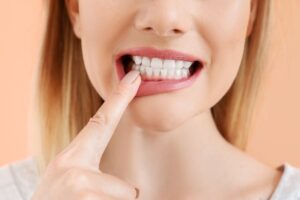
Many people are surprised to notice their teeth slowly shifting as they get older, even if they once had braces or straight teeth. Tooth movement is a natural process and can happen at any stage of life. Understanding why teeth shift over time can help you take steps to protect your smile and maintain proper alignment.
Natural Aging and Jaw Changes
As we age, subtle changes occur in the jawbone and facial structure. The jawbone can gradually remodel and shrink, which may alter how teeth fit together. These natural changes can cause teeth to drift forward, rotate, or crowd, especially in the lower front teeth. Even minor shifts can affect your bite and appearance over time.
Tooth Loss and Missing Teeth
When a tooth is lost and not replaced, neighboring teeth often move into the empty space. Teeth naturally seek contact with adjacent teeth, and gaps disrupt this balance. Over time, nearby teeth may tilt or shift, while opposing teeth may over-erupt. This movement can lead to bite problems, uneven spacing, and increased difficulty cleaning between teeth.
Gum Disease and Bone Loss
Healthy gums and bone are essential for keeping teeth stable. Gum disease weakens the tissues and bone that support your teeth, making them more susceptible to movement. As bone loss progresses, teeth may appear longer, develop gaps, or feel loose. Without treatment, periodontal disease can significantly change the alignment of your smile.
Teeth Grinding and Clenching
Chronic grinding or clenching, also known as bruxism, places excessive pressure on the teeth and jaw. Over time, this force can cause teeth to shift, wear down, or change position. Grinding often occurs during sleep, making it easy to overlook without dental guidance.
Not Wearing Retainers After Orthodontic Treatment
Orthodontic treatment doesn’t permanently “lock” teeth in place. Teeth naturally want to move back toward their original positions. Retainers are essential for maintaining alignment after braces or clear aligner treatment. Failing to wear a retainer as recommended is one of the most common reasons teeth shift later in life.
Everyday Habits and Oral Forces
Certain habits can also influence tooth movement. Tongue thrusting, nail biting, chewing on pens, or frequently using one side of the mouth can place uneven pressure on teeth. Over time, these repeated forces may contribute to gradual shifting.
How to Prevent Teeth from Shifting
While some movement is natural, you can reduce unwanted changes by maintaining good oral health, replacing missing teeth promptly, wearing a retainer if prescribed, and addressing grinding with a nightguard. Regular dental checkups allow your dentist to monitor changes and recommend early intervention when needed.
If you notice crowding, gaps, or bite changes, a dentist can help determine the cause and suggest appropriate treatment options. Early action can help preserve both the function and appearance of your smile.
About the Author
Dr. Tiffany Jozwiak has been practicing dentistry for more than 25 years. She is a graduate of the University of Minnesota School of Dentistry. After college, she trained in facial esthetics for over a decade and regularly invests in new, modern technology. A leader in the field, Dr. Jozwiak is a frequent speaker at panels and conferences in the cosmetic dentistry industry. Want a healthier, straighter smile? Come see us for orthodontic treatment. Schedule an appointment online or call (773) 871-3393.